
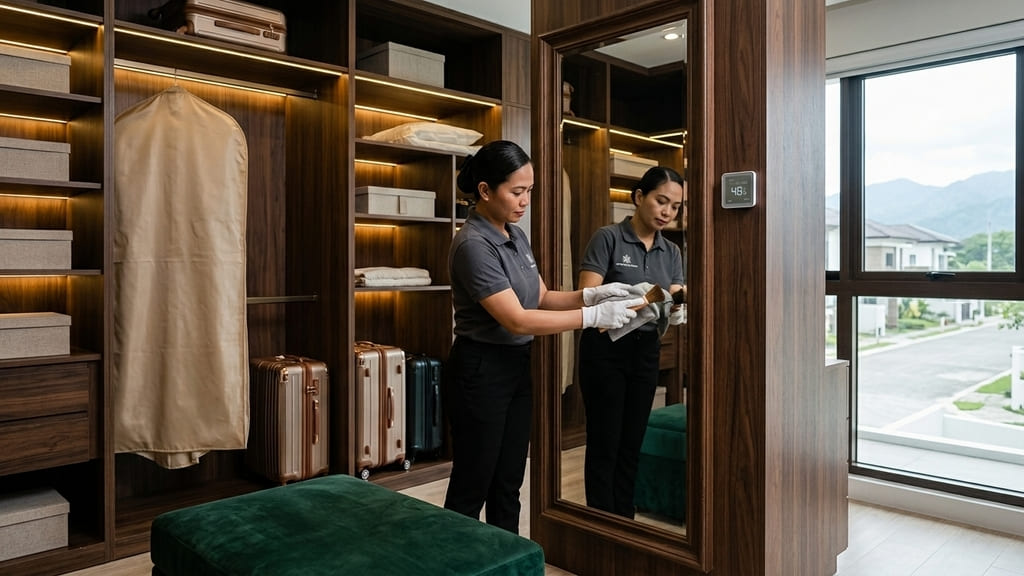
High-value residential properties that remain unoccupied between seasonal stays face silent operational risks that go far beyond conventional physical intrusions. When an estate lacks daily occupancy, subtle issues such as micro-leaks in plumbing, HVAC system stagnations, battery degradation in electronic systems, and unmonitored environmental variations can rapidly compound into severe structural or aesthetic damages. Furthermore, static properties inadvertently signal prolonged absence to external observers, undermining even the most sophisticated electronic surveillance measures. Preserving the physical integrity, technological functionality, and absolute security of a vacant luxury residence requires transitioning from passive monitoring to active preventive management. Implementing rigorous, routine protocol oversight executed by dedicated domestic staff ensures that the property remains fully operational, pristine, and secure, preserving both its financial value and its immediate readiness for the owners’ return.
Active Physical Protection and Deterrence Systems
True security for unoccupied high-end residences relies on creating an authentic visual and operational impression of continuous occupancy.
- Simulated presence routines and dynamic perimeter security
A property that remains entirely static quickly reveals the absence of its owners. Passive electronic timers are often predictable and insufficient for sophisticated surveillance threats. Active security protocols involve structured, non-repetitive physical walkthroughs of the grounds and living spaces by trusted staff. Daily adjustments of exterior shutters, alternating interior lighting schedules, and the meticulous maintenance of driveways and outdoor flora eliminate visual markers of vacancy. By maintaining a dynamic exterior appearance and verifying the physical integrity of perimeter gates, access points, and boundary walls, staff effectively neutralize potential security vulnerabilities before they emerge.
- Integration and physical verification of advanced electronic surveillance
While state-of-the-art alarm networks, thermal cameras, and smart access controls are essential, their efficacy depends on physical human verification. Electronic sensors can suffer from calibration drifts, power supply interruptions, or lens obscuration caused by environmental factors. Dedicated estate personnel perform scheduled physical diagnostics of all security hardware, testing backup generators, verifying door lock mechanisms, and inspecting remote camera angles. This hands-on oversight ensures that automated security systems remain fully functional and that any technical anomaly is corrected immediately without relying solely on automated remote alerts.
Preventive Technical Maintenance and Environmental Integrity
Unoccupied luxury estates require constant climate and mechanical regulation to prevent internal degradation of high-value materials and architectural finishes.
- Microclimate regulation: Moisture management, air circulation, and temperature control
High-value interior finishes—such as book-matched marble, bespoke woodwork, fine silks, and original artworks—are highly sensitive to stagnant air and uncontrolled humidity. In the absence of regular occupation, indoor environments can accumulate moisture or experience extreme temperature fluctuations, leading to mold growth, wood warping, or veneer cracking. Staff protocols include scheduled aeration cycles, precise monitoring of HVAC dehumidification units, and maintaining a constant ambient temperature between 18°C and 21°C across all zones. This systematic air management safeguards delicate architectural materials from invisible environmental wear.
- Systemic diagnostics: Plumbing, electrical grids, and automated infrastructure
Infrequently used plumbing systems are prone to dried-up traps, sewer gas backflows, and undetected pressure leaks that can devastate stone flooring and structural ceilings. Active preventive management demands weekly flushing of all water lines, inspection of water heaters, and pressure testing of main valves. Similarly, electrical panels and automated home automation hubs are systematically audited to prevent power surges, verify uninterruptible power supply (UPS) batteries, and ensure that backup generators are fully fueled and operational. This proactive maintenance eliminates the risk of catastrophic utility failures during vacancy periods.
The Role of Qualified Filipino Staff in Property Preservation
The technical discipline, loyalty, and detail-oriented mindset of Filipino estate personnel make them exceptionally suited for high-stakes property oversight.
- Methodological precision, daily reporting, and immediate crisis management
Professionals selected and trained by Luxury Philippines D.S. Agency bring an unparalleled level of rigor to vacant property stewardship. Operating with meticulous checklists and absolute discretion, staff perform comprehensive daily inspections, documenting the operational state of every room and mechanical system. Through digital reporting, estate managers and owners receive real-time updates regarding maintenance schedules, climate logs, and completed audits. Should an unexpected contingency arise—such as severe weather damage or a municipal utility outage—the staff acts immediately according to established emergency protocols, protecting the residence with unwavering dedication.
Conclusion
Preventive management of vacant luxury properties is an essential discipline that guarantees the longevity, safety, and functional perfection of prime real estate investments. Relying solely on automated alarm systems leaves high-value homes vulnerable to subtle environmental damage and operational failures. By implementing active security protocols and continuous technical care through the elite personnel provided by Luxury Philippines D.S. Agency, property owners enjoy absolute peace of mind. The residence remains permanently protected, flawlessly maintained, and impeccably prepared to welcome its owners back at a moment’s notice with the highest standard of luxury and comfort.