
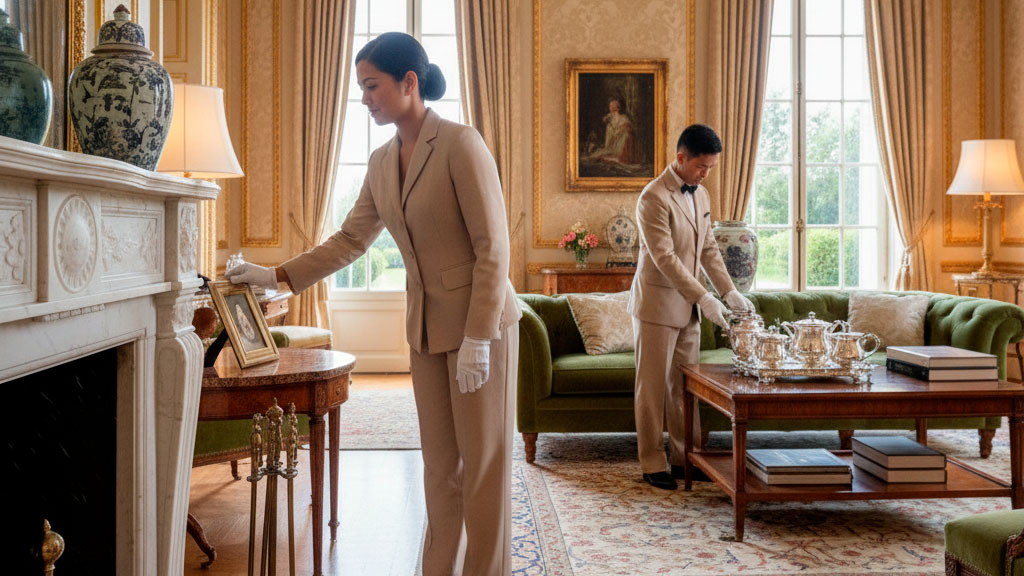
In elite domestic service, excellence is not just about responding to requests, but about anticipating them. The true standard of elite service is measured by the professionals’ ability to solve problems and meet needs even before the employer is aware of them. This proactive approach is a hallmark of Filipino domestic staff, whose training and culture emphasise keen observation, foresight, and discreet initiative. Anticipation transforms the home into an environment that seems to run magically, freeing the employer from the mental burden of micromanagement and allowing them to enjoy uninterrupted peace of mind. Proactivity is the highest manifestation of a service that intimately understands the family’s lifestyle.
Culture and training: the roots of anticipation
The proactive approach is not an innate skill but the result of a cultivated mindset and rigorous training.
- Keen observation and routine mapping.
Anticipation begins with methodical and keen observation. Filipino professionals are trained to map the daily, weekly, and seasonal routines of the employer and the family. This goes beyond fixed schedules; it involves noticing subtle patterns, such as the time the employer checks the newspaper, if they prefer coffee after a specific call, or what kind of atmosphere they need after a long trip. By understanding behavioural patterns, staff can act before the need is verbally expressed. This level of intimate knowledge, handled with absolute discretion, is the key to service that feels intuitive.
- Logistical foresight and inventory management.
A critical area of proactivity is logistical foresight. A proactive housekeeper or butler does not wait until an essential item (gourmet coffee, toilet paper, specific medications) runs out to reorder it. They implement Reorder Point (ROP) inventory systems for key items, ensuring supplies are discreetly replenished before depletion. Similarly, they anticipate future events (a child returning from university, an unexpected visit, a change of season) and begin preparing the home (opening the property, changing linens, conditioning the vehicle) well in advance, removing the pressure of urgency.
Key areas of domestic proactivity
Anticipation manifests in practice across all areas of household management, from personal well-being to property maintenance.
- Personal well-being and presentation care.
Proactive staff ensure the wardrobe is always ready for any eventuality. They anticipate travel needs by preparing luggage in advance or ensuring the necessary clothes and footwear for a meeting or event are impeccable, even if the event was not on the original schedule. In personal care, they might notice a subtle change in the weather and adjust the room’s climate control before the employer notices being cold or hot. Their goal is for the employer only to focus on their schedule, and never on the basic logistics of their person.
- Preventive property maintenance.
Proactivity in property maintenance is, perhaps, the biggest saver of cost and stress. An anticipatory professional does not wait for a breakdown; they conduct regular visual inspections, clean drains before they clog, check smoke alarms, and coordinate technical service for air conditioning or heating in the off-season. By identifying small signs of wear (a loose hinge, a flickering bulb, a subtle stain on the carpet), they ensure the home is preserved in its original state, preventing costly repairs and major disruptions.
- Logistical management of travel and transitions.
Anticipation is crucial in travel. A proactive butler does not just prepare luggage; they research the weather, the time difference, and necessary adaptations at the destination. They ensure the vehicle is ready, that water and snacks are on board, that the desired press is downloaded or printed, and that the portable WiFi router is charged. In transitions between residences, they ensure the destination home is perfectly activated (temperature, fresh flowers, stocked fridge) before arrival, making the change a fluid extension of the employer’s usual comfort.
Benefits and the value of trust
The proactive approach generates a virtuous cycle of trust, loyalty, and quality of service.
- Reduction of the employer’s mental load.
The main benefit of proactivity is the reduction of the employer’s mental load. When staff anticipate, the employer no longer has to remember to delegate basic tasks. This freed-up mental time and energy are, in themselves, the most valuable luxury. The home becomes a sanctuary where needs are met before they even become wishes.
- Strengthening loyalty and service longevity.
Staff who operate with anticipation demonstrate a high level of commitment and personal investment in the employer’s well-being. This level of care generates deep trust and mutual loyalty. Employers value the peace of mind and discretion this service offers, which translates into greater job longevity and a significant reduction in staff turnover.
Conclusion
Anticipation is not an extra; it is the essence of elite domestic service. It requires staff who are trained for observation, logistical foresight, and discreet decision-making. Filipino domestic staff, with their culture of service and rigorous training, embody this proactive approach, transforming household management into an effortless luxury experience. At Luxury Philippines D.S. Agency, we select professionals with the anticipatory mindset, ensuring your home is managed with the foresight and excellence that guarantee total peace of mind.