
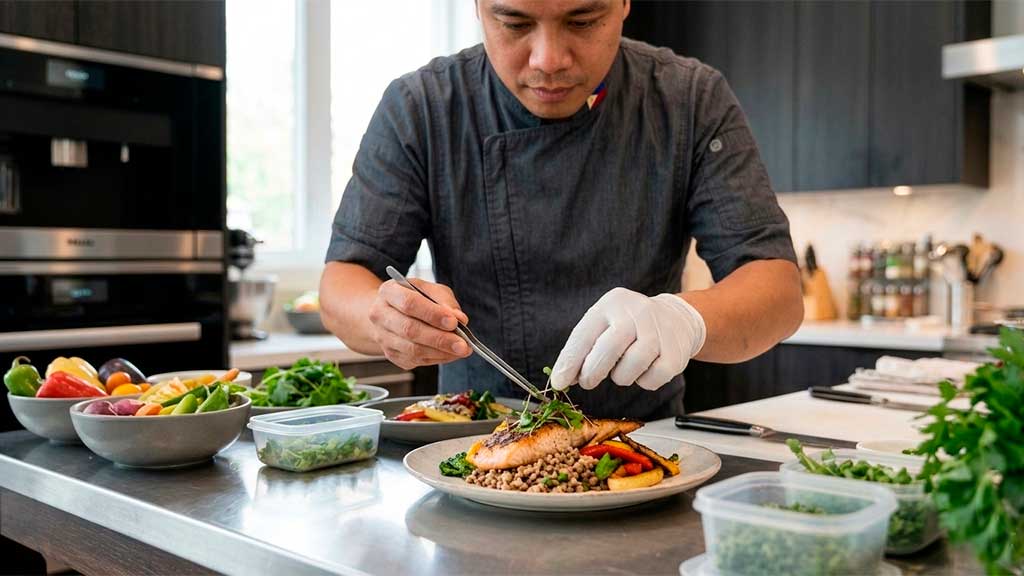
In the management of high-standing residences, the health of family members is the most precious asset. Today, nutrition has ceased to be a mere biological necessity to become a tool for preventive medicine and optimized well-being. However, implementing complex nutritional plans—whether for medical, ethical, or performance reasons—requires technical execution that often exceeds the capabilities of a conventional kitchen. This is where Filipino domestic staff become indispensable, acting as the operational bridge between nutritionists’ recommendations and the daily table, ensuring that scientific rigor translates into gastronomic pleasure.
Precision in executing restrictive and therapeutic diets
Following a special diet admits no errors; in cases of allergies or chronic pathologies, precision is a matter of vital safety.
-
Allergen management and cross-contamination prevention
For a family member with celiac disease or severe nut allergies, the kitchen must function with laboratory-like protocols. Filipino staff, known for their discipline and strict adherence to rules, implement segregated workstations and rigorous tool labeling. It is not just about cooking “gluten-free,” but ensuring the traceability of every ingredient from the moment it enters the pantry until the dish is served.
-
Control of glycemic indices and ketogenic or low-carb diets
In plans focused on insulin control or weight loss, measuring macronutrients is essential. Qualified domestic staff handle weighing food and using cooking techniques that do not alter nutritional properties, such as steaming, sous-vide, or quick sautéing. Their ability to replace processed ingredients with natural alternatives (such as nut flours or low-impact sweeteners) allows the owner to maintain their diet without sacrificing variety.
-
Diets for sports performance and longevity
Many high-profile owners follow biohacking or longevity protocols that include specific supplementation and intermittent fasting schedules. Trusted staff manage this nutritional “timing,” preparing long-cook bone broths, cold-pressed green juices, or light protein dinners that align perfectly with the user’s circadian rhythms, eliminating the mental burden of planning for the family.
Integrating ethical and cultural preferences into the daily menu
-
Transition to plant-based, vegan, or vegetarian diets
The rise of plant-based eating requires superior technical creativity to ensure there are no protein deficiencies. Filipino staff excel in preparing plant proteins (tofu, tempeh, legumes) using traditional Asian techniques that enhance flavor without adding saturated fats. Their mastery of spices allows a vegan diet to be as sophisticated and satisfying as any traditional gourmet menu.
-
Respect for religious restrictions: kosher, halal, and more
In international homes, compliance with religious dietary laws is a pillar of cultural respect. Managing dual kitchens, selecting certified suppliers, and understanding specific preparation times are tasks that domestic staff execute with admirable discretion and loyalty, ensuring the home is a space where faith and food coexist in harmony.
Logistics and digitalization: the health inventory
-
Coordination with external professionals (nutritionists and chefs)
High-level domestic staff act as the trusted liaison for health specialists. They receive guidelines from the nutritionist, translate them into a technical shopping list, and oversee that the weekly menu meets the set goals. This coordination ensures there are no discrepancies between what the doctor prescribes and what the diner consumes.
-
Sourcing organic and local products.
The quality of the input determines the effectiveness of the diet. The staff is responsible for locating grass-fed meat, organic eggs, and seasonal vegetables. Their purchasing management ensures that fresh food arrives at the home at its optimal point of ripeness, maximizing the bioavailability of essential vitamins and minerals.
-
Documentation of nutritional evolution
In many cases, high-level domestic staff maintain a record of consumption or prepare subtle reports for the owners regarding the acceptance of new foods, especially in children’s diets or for the elderly. This attention to detail allows the nutritional plan to be adjusted dynamically, ensuring that family health is a process of constant improvement.
Conclusion: the peace of mind of professional health management
Nutrition in a luxury home is no longer the sole responsibility of an occasional chef, but a daily management task executed by trusted domestic staff. At Luxury Philippines D.S. Agency, we select professionals with the learning capacity and discipline necessary to handle the most demanding health plans. By integrating a Filipino professional into your home, you guarantee that your family’s diet is a resounding success, allowing you to enjoy a long, energetic, and healthy life without having to worry about the technical details of your kitchen.